
Safety at home
Smoke Alarms
Smoke alarms will signal when there is smoke in the home. Smoke alarms are cheap and easy to install. You can buy smoke alarms from DIY stores, electrical shops and most high street supermarkets.
There are lots of different types of smoke alarms, including those that are specifically designed for people with hearing loss. If you’re not sure which smoke alarm is suitable for you, you can ask your Local Fire & Rescue Service for advice.
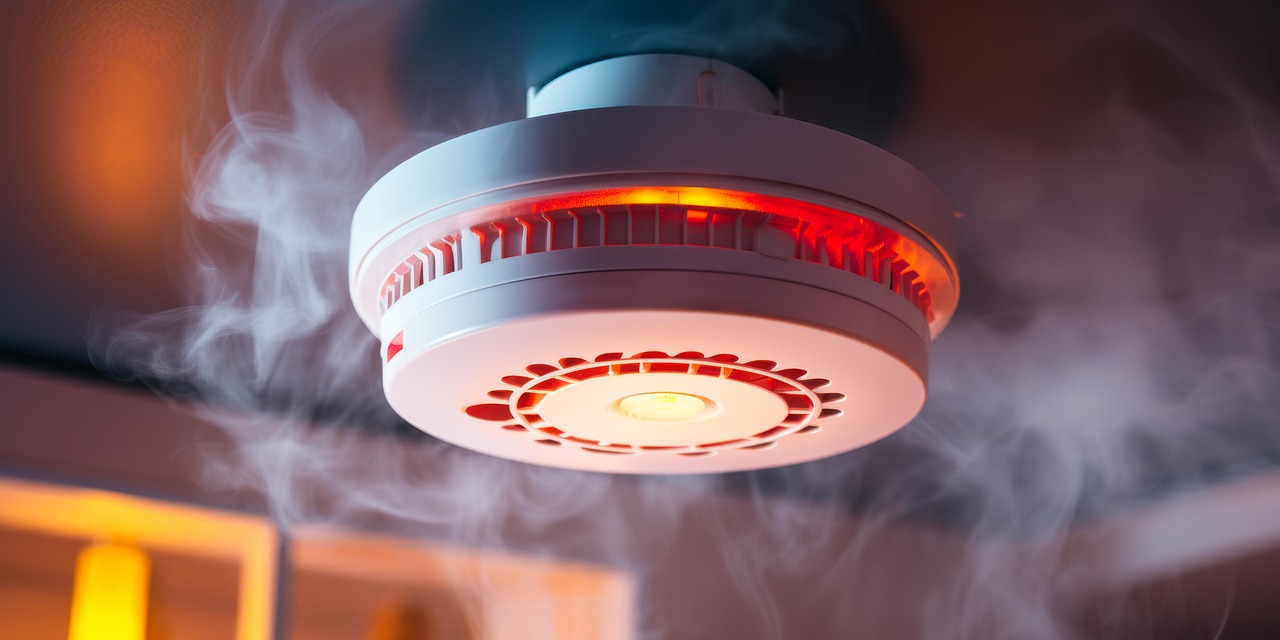
You should test your smoke alarm once a week.
Standard battery alarms need replacing every 12 months. Test your smoke alarm by pressing the button until the alarm sounds.
If you have a hearing loss and take your hearing aids out at night, check if you can hear your smoke alarm with the bedroom door closed.
Local Fire & Rescue Services offer the deaf community and vulnerable people Fire Safety education, Safe and Well Checks and can often install smoke alarms that are suitable for people with hearing loss. Get in touch with your local Fire & Rescue Service if you need support.
Safety in the Kitchen
Take extra care if you have to leave the kitchen when cooking, take pans off the heat or turn the heat down. Make sure saucepan handles are not sticking out, this reduces the possibility of it being knocked over.
Keep tea towels/cloths away from the cooker/hob. Always double check the cooker is off when you’ve finished cooking.
Keep electrics, including leads and appliances, away from water. Check your toaster is clean and placed away from curtains/blinds or kitchen rolls. Do not use a toaster under a cupboard or close to a wall.

Keep your oven, grill and hob clean. A build up of fat and grease can fuel a fire. If deep fat frying, never fill a pan more than third full of oil. If the oil starts to smoke, it’s too hot, turn it off and let it cool.
In the Bedroom
Position portable heaters against a wall to prevent them from falling over. Keep the heaters away from curtains and furniture. Never use them fo rdrying clothes or leave them on overnight.
Don’t leave electric blankets folded up ,this can cause damage to the internal wires. Store them flat or rolled up. Unplug your blanket before getting into bed unless it has a thermostat control for safe all-night use.
Always keep a burning candle in sight. Extinguish every candle when leaving the room or going to sleep. Use a spoon to put the flame out, which is safer than blowing them out. Never leave a child alone with lit candles.

Nightime Routine
- Close internal doors to stop a fire from spreading.
- Turn off and unplug electrical appliances unless they are designed to be left on, like a fridge freezer.
- Check your cooker is off.
- Never leave the washing machine, dishwasher or tumble dryer on.
- Put cigarettes and candles out properly.
- Make sure all exits are clear.
- Don’t leave mobile phones, electric cigarettes or vaping devices charging overnight.
In an Emergency
In an emergency, such as a fire, keep calm and act quickly.
Call or text 999 as soon as you can. If you are deaf, hard of hearing or have a speech impairment, you can register with Relay UK for their emergency text service. Want to learn more about safety? View our ‘In an Emergency‘ resource.
Do not tackle a fire yourself or re-enter a building in the event of a fire.
If you would like further information or support, please visit our website, www.bid.org.uk, to see the other resources we have available and the services we deliver in your area. Alternatively, you can email us on info@bid.org.uk.
If you would like to receive the information in a different format, such as Braille, large print or Audio, then please contact us at marketing@bid.org.uk.