
Hoarding and Cluttering
What is Hoarding?
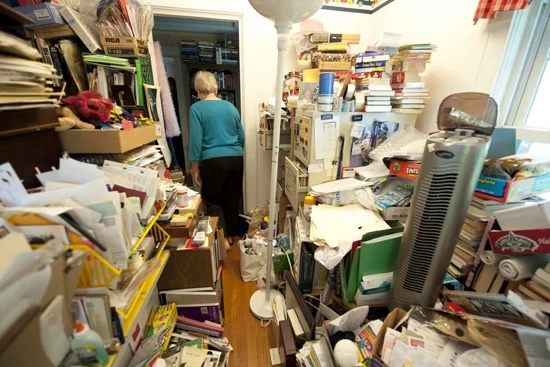
A hoarding disorder is where an individual will hold on to a large number of items and stores them in a chaotic manner. These items can be of little or no monetary value.
Hoarding is considered a serious issue when:
- The clutter disrupts daily living. For example, a person cannot access their rooms or is unable to use the room appropriately.
- The clutter is causing a negative impact or distress on the person’s quality of life or their family’s life. For example, they become anxious or angry if someone discusses moving the clutter.
Some hoarders realise they have a problem but may feel
embarrassed, ashamed or guilty so are reluctant to seek help.
Hoarding can be a health and safety risk but can also cause loneliness and mental health problems.
How can you help?
DO
- Encourage the person to seek professional help
- Take the time to learn about hoarding
- Help them with their belongings if they ask for help
- Listen to them
- Recognise any positive change
DON’T
- Remove anything from their home without consent
- Expect change overnight
- Enable their behaviour
- Clean up after them
- Expect perfection
Asking for help
If you know someone who has a hoarding issue or you, yourself have identified that you may have a hoarding issue, you should book an appointment with your GP first. Your GP may refer you or someone you may know to the local community Mental Health team in your local area.
You can also contact your local Fire Service who may be able to offer a ‘Safe and Well’ visit and can check risks associated with overloaded plug sockets, ensure there are safe and clear fire exits and working fire alarms.

If it is someone you know or a family member who would like support, remember to be sensitive about the issue and offer to attend any appointments they have regarding their hoarding issues, with them.
How to find out more
Here are a few websites where you can find more information:
- Hoarding Support
- Clouds End
- Age UK
- Hoarding Disorders UK
- OCD-UK – This charity may be able to help with difficulties accessing therapy.
- Side by Side – MIND have a supportive online community for anyone experiencing a mental health problem.
If you would like further information or support, please visit our website, www.bid.org.uk, to see the other resources we have available and the services we deliver in your area. Alternatively, you can email us on info@bid.org.uk.
If you would like to receive the information in a different format, such as Braille, large print or Audio, then please contact us at marketing@bid.org.uk.