
Diabetes
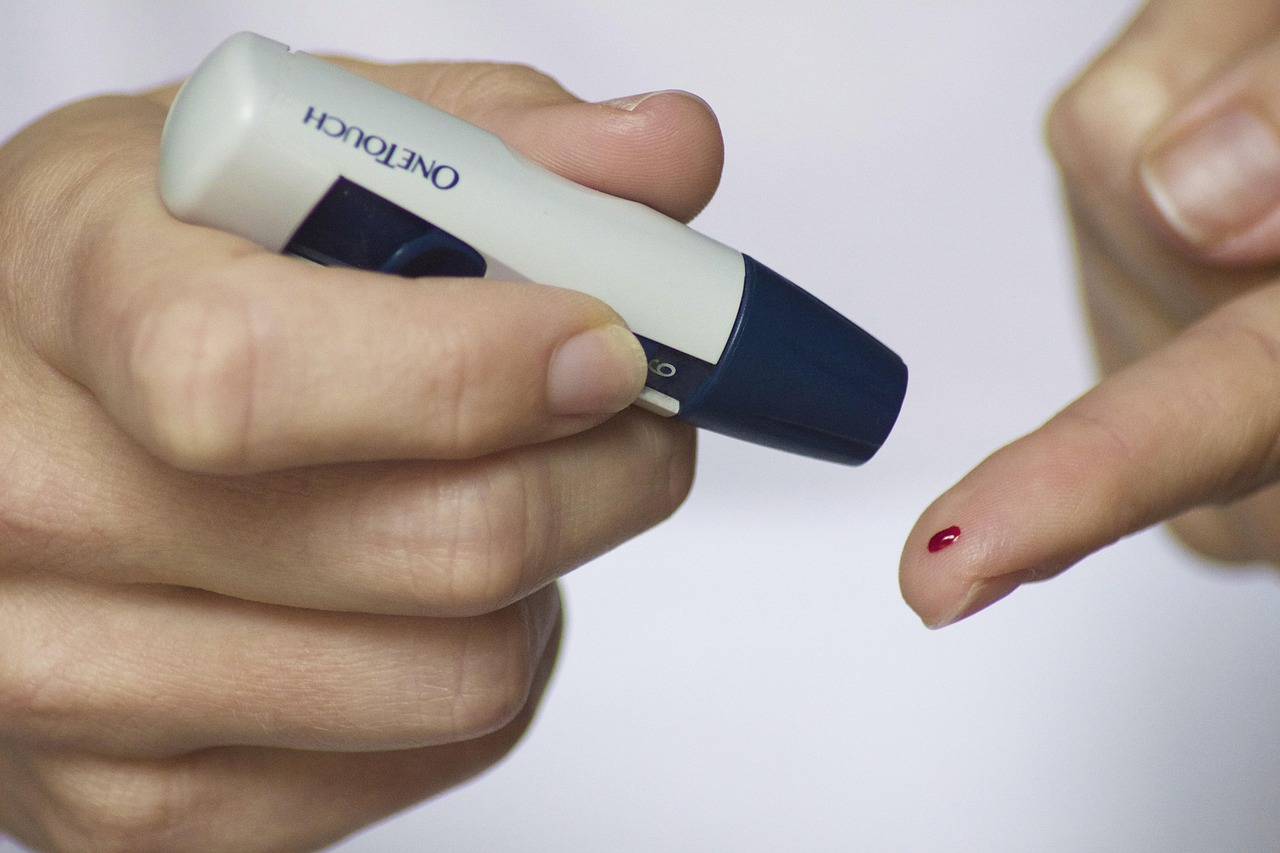
Diabetes is a lifelong health condition that causes an individual’s blood sugar level to be too high.
Types of Diabetes
There are 2 types of Diabetes.
Type 1 – This is where the body’s autoimmune system attacks and destroys the cells that produce insulin.
Type 2 – This is where the body doesn’t produce enough insulin or the body’s cells become resistant to insulin.
Type 2 Diabetes is the most common. In the UK, around 90% of all adults with diabetes have Type 2 (NHS website 2020).
There is also Pre-Diabetes. This is where your blood sugar level is above the normal range, putting you at higher risk of developing full blown diabetes.
Symptoms of Diabetes
- Feeling very thirsty
- Urinating more often, particularly at night
- Feeling very tired
- Sudden weight loss
- Itching in your private area
- Frequent episodes of thrush
- Cuts or wounds healing slowly
- Blurred vision

Causes of Diabetes
The amount of sugar in your blood is controlled by a hormone called insulin, which is produced by the pancreas.
When food is digested and enters the bloodstream, insulin moves glucose out of the blood and into cells, this is where it is broken down to produce energy.
If someone has diabetes, the body is unable to break down glucose into energy. The reason for this is either there isn’t enough insulin to move the glucose or the insulin produced does not work properly.
Getting support and treatment
You should see your GP if you experience the main symptoms of diabetes.
If you have diabetes, you should be attending regular diabetes check-up, a minimum of once a year, to check your blood pressure and cholesterol.
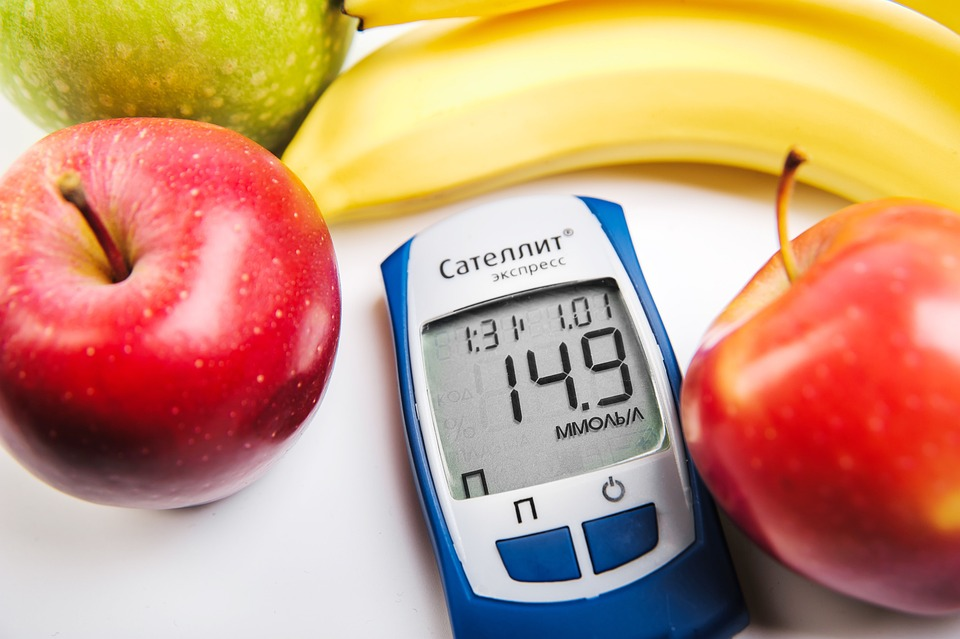
A healthy diet, regular exercise and a healthy body weight will help you manage your blood sugar levels.
This factsheet was co-produced with Steps to your Healthy Future.
If you would like further information or support, please visit our website, www.bid.org.uk, to see the other resources we have available and the services we deliver in your area. Alternatively, you can email us on info@bid.org.uk.
If you would like to receive the information in a different format, such as Braille, large print or Audio, then please contact us at marketing@bid.org.uk.
More resources
Tinnitus
Information/intro to be added here
Menopause
Information/intro to be added here
Tinnitus
Information/intro to be added here