How Technology Is Transforming Employment for Deaf, Hard of Hearing, Sight Impaired and Deafblind People
Technology is playing a crucial role in making workplaces more inclusive for disabled people. For those who are deaf, hard of hearing, sight impaired or deafblind, accessible tools can remove barriers, build confidence and support genuine independence at work.
For over 10 years, BID Services has been delivering Employment Services, helping people move into work, education or volunteering and supporting those with acquired sight or hearing loss to adapt within a workplace environment.
In recent years, the Ian Karten Charitable Trust has supported us in this mission. Thanks to the Ian Karten Charitable Trust, Karten Centres across the UK provide accessible learning spaces equipped with the latest assistive technology and BID Services is proud to run Karten Centres in Leeds and Birmingham which offer access to specialist technology including:
- Laptops and accessible software (JAWS, ZoomText)
- A touchscreen learning hub
- Support to build digital and workplace skills
These resources are used within our Employment Services and allow individuals to practise using technology at their own pace and prepare for employment.
The impact of our work and access to technology, in the journey to employment and in the workplace is evident in our clients’ journeys. The story below highlight how important access to technology can be for individuals who are deaf, hard of hearing or sight impaired.
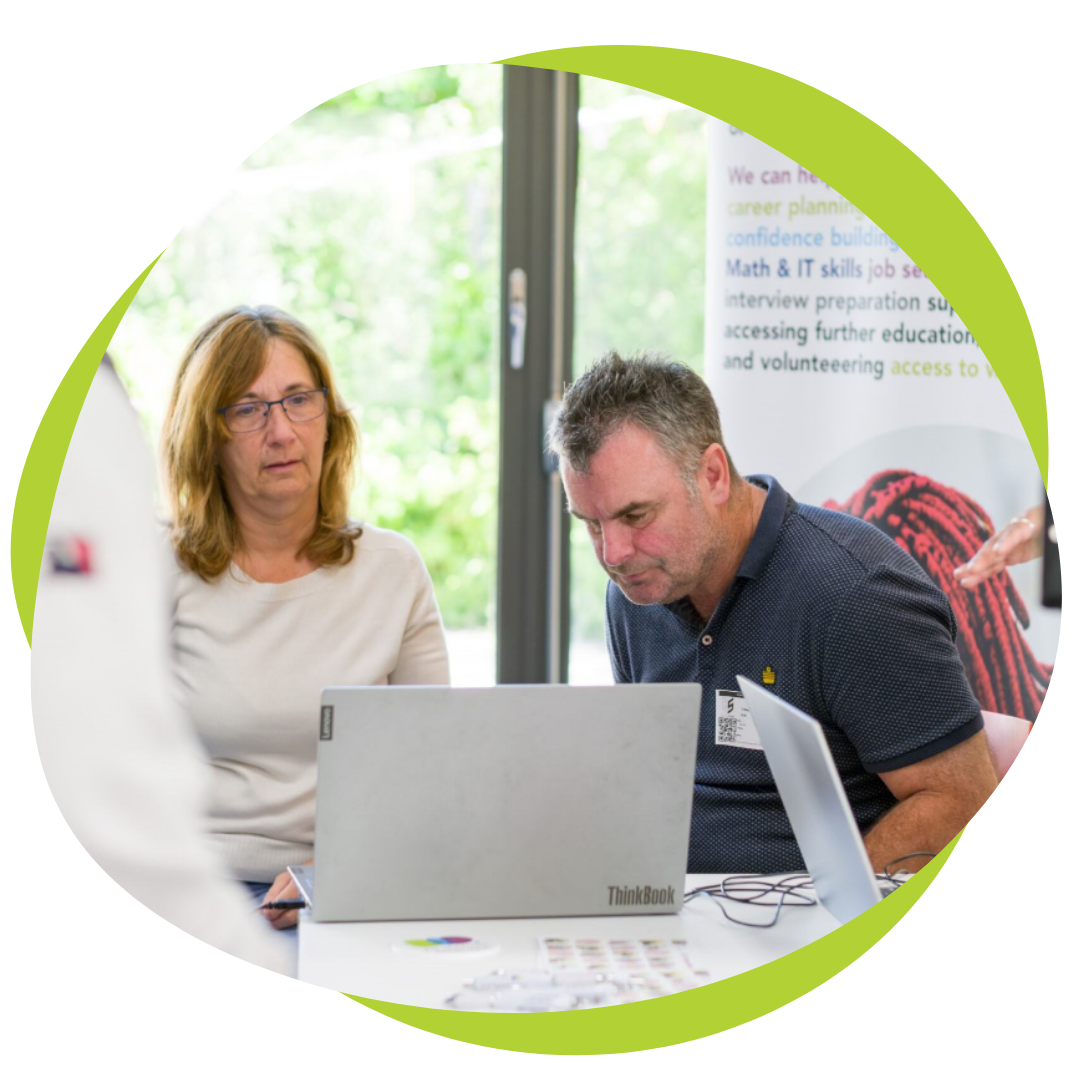
One of our recent clients, who has been completely blind for over a decade, accessed our Employment Service for support to gain employment within a customer‑facing and administrative role. As part of this journey, they accessed our Karten Centre resources and with support from our Employment Service staff developed the digital skills needed within these roles. This included:
- iPhone with built‑in screen reading
- Windows laptop with JAWS screenreader
- Used for Word, Outlook, Teams and CRM systems
- Supported more complex work tasks
- AI‑powered support tools
They first explored this technology in our Karten Centre, practising at their own pace before entering employment. Their story highlights a major shift in access technology, from expensive bespoke equipment to powerful software and apps available on mainstream devices.
The Future of Assistive Technology
The rapid development of artificial intelligence (AI) is transforming access technology, especially for blind and low‑vision users. AI tools can now:
- Summarise large blocks of text
- Describe images in detail
- Identify landmarks, doorways or obstacles
- Provide real‑time assistance during travel
- Support learning of complex software
This future is both exciting and constantly evolving and it means continual upskilling for both clients and our own team.
Creating a More Inclusive Future
Technology, combined with the right support, is opening doors for disabled people in the workplace. BID Services remains committed to empowering individuals through accessible technology, specialist guidance and strong partnerships with inclusive employers.
The Karten Network is a network of IT centres for disabled people and provide a supportive learning environment together with access to the latest in adaptive computer technology, and are located in a wide range of host organisations.

What’s new
New Learning Resource Launched for Hearing Parents of Deaf Children
The Importance of Technology in the Workplace
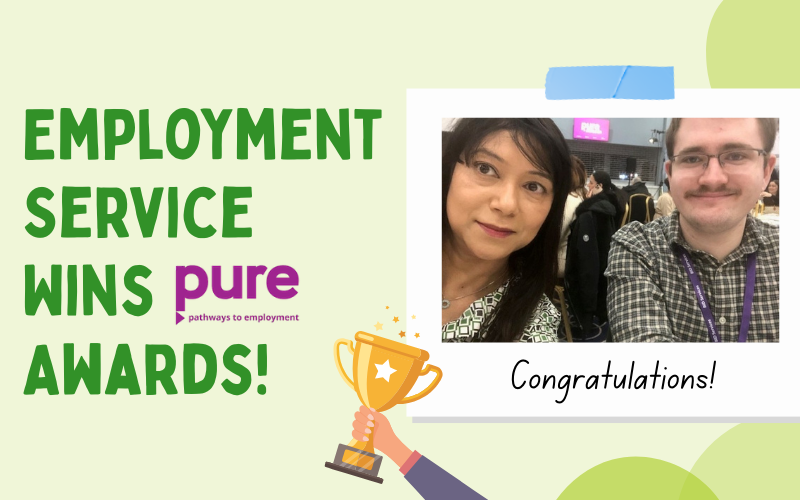
Employment Service Wins PURE Awards!
Living with Tinnitus
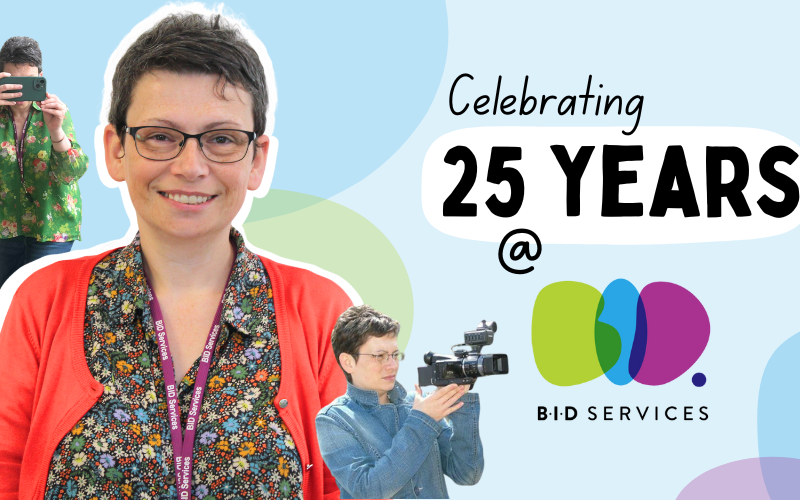
Celebrating 25 Years at BID Services!

Celebrating Fitness and Inclusion: Running While Visually Impaired

Christmas & New Year Opening Hours 2025